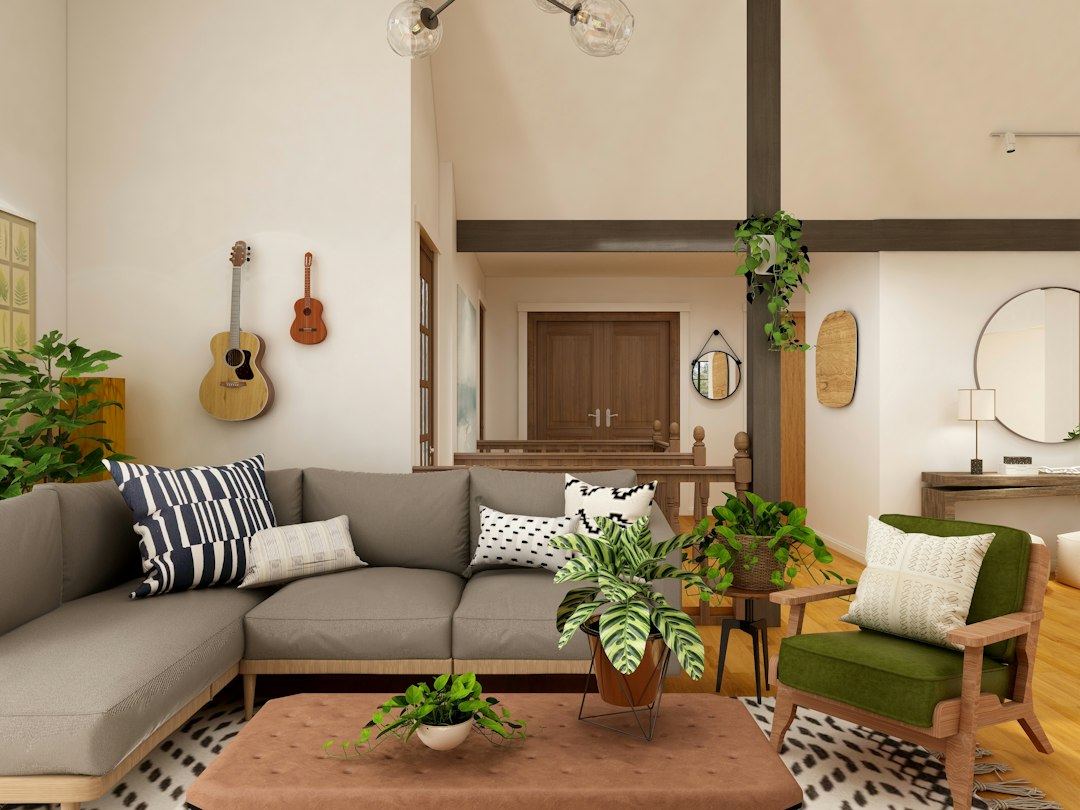
Colour has a remarkable ability to influence how we feel in our own homes. The right shade can make a room feel calm and welcoming, bring energy to a tired space or create a cosy atmosphere that makes you want to curl up with a good book. When planning a decorating project, thinking about the mood you want to create can be just as important as choosing colours that look good together.
Finding the Right Colour for Every Room
Different colours can create very different feelings, making it worth considering how you use each room before picking up a paintbrush. Soft blues and gentle greens are popular choices for bedrooms and bathrooms, where a sense of calm and relaxation is often the goal. These nature-inspired shades can help create a restful environment without making the space feel dull or lifeless.
Living rooms, on the other hand, often benefit from warmer tones. Terracotta, muted ochre and warm neutrals can make a space feel inviting, particularly when combined with natural wood, textured fabrics and comfortable furnishings. If you prefer a more contemporary look, charcoal, navy or deep forest green can add character and sophistication when balanced with lighter colours.
Kitchens and dining areas offer an opportunity to experiment. Warm yellows, earthy greens and subtle reds can bring a cheerful quality to these busy spaces, while crisp whites and pale greys create a fresh, clean backdrop for everyday life.
Using Colour Without Overwhelming a Room
You don’t have to redecorate an entire room to change its atmosphere. Sometimes, introducing a new colour through cushions, curtains, rugs or artwork is enough to give the space a completely different feel. Accent walls are another useful option, allowing you to experiment with a stronger shade without committing to it throughout the room.
Lighting also plays an important role in how colours appear. A shade that looks soft and neutral in a brightly lit showroom might seem considerably darker or warmer at home. Natural daylight, artificial lighting and the direction a room faces can all affect the final result, so testing paint samples on your walls before making a decision is always worthwhile.
It’s also worth thinking about how colours work together across your home. You don’t need every room to follow the same palette, but choosing complementary shades can help create a sense of flow, particularly in open-plan spaces and hallways.
Creating a Home That Feels Like You
Although colour psychology offers useful ideas, there are no universal rules about which shades will make everyone feel happy, relaxed or energised. Personal associations, memories and individual tastes all influence how we respond to colour.
The best approach is to think about how you want to feel in each space and use colour to support that intention. Whether you love bold statement walls, understated neutrals or a mixture of contrasting shades, a thoughtful colour scheme can help turn a house into a home that reflects your personality and makes everyday life that little bit more enjoyable.