
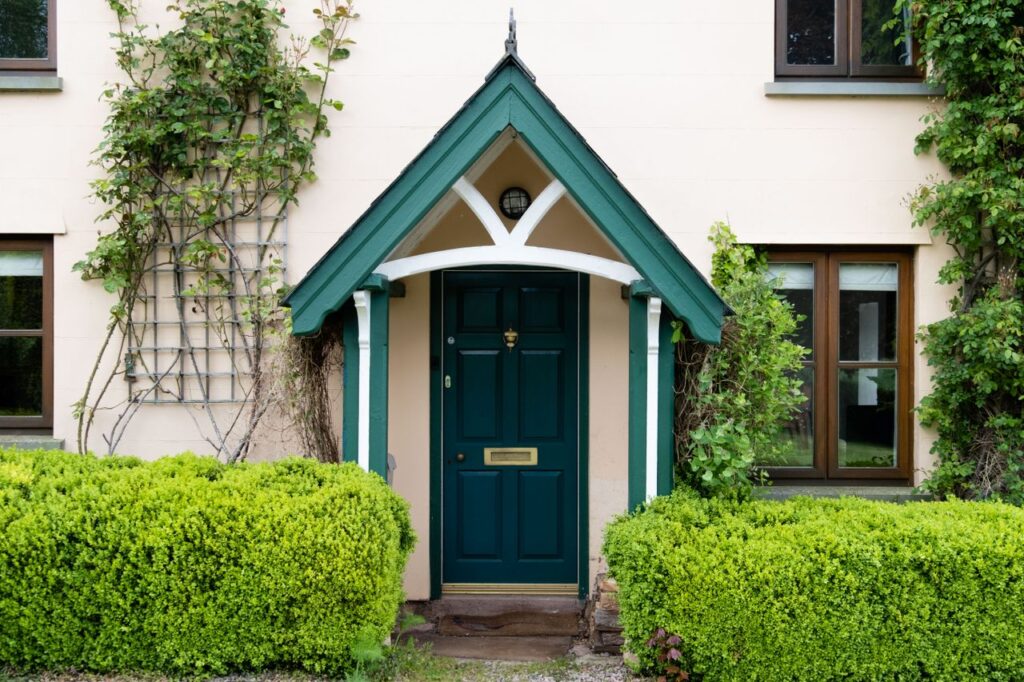
Walk down almost any residential road and, within minutes, you can tell which houses feel welcoming, which feel private and which seem to have given up altogether. We tend to file kerb appeal under estate-agent talk, but something more ordinary is going on. Front doors quietly shape the mood of a street. Colour matters, certainly, but so do texture, proportion and signs of age.
A good door does not need to be grand. The most memorable ones are often the least showy: paint softened by weather, brass gone dull with time, a knocker that looks as though it has been there for decades. Materials matter too. The appeal of wooden external doors, for instance, is not only that they suit period houses. They weather in a way people read as honest, and they can make even an ordinary frontage feel settled rather than temporary.
The small details people notice
Most of us are not consciously critiquing our neighbours’ entrances, but we do take in the impression they create. A street lined entirely with shiny composite surfaces can feel oddly flat, while one with a mix of finishes and styles has more rhythm. That does not mean every house should aim for quaintness. It means entrances have social value beyond security and insulation.
- A well-kept threshold suggests care without saying a word.
- Natural materials often age with more character than synthetic ones.
- Small variations from house to house make a road feel lived in.
That may be why people remember certain homes long after they have forgotten the layout inside. The front door is a practical object, but it is also part of the public face of everyday life. Streets are more pleasant when that face has some personality.
Photo by Field Cottage via Pexels.

