
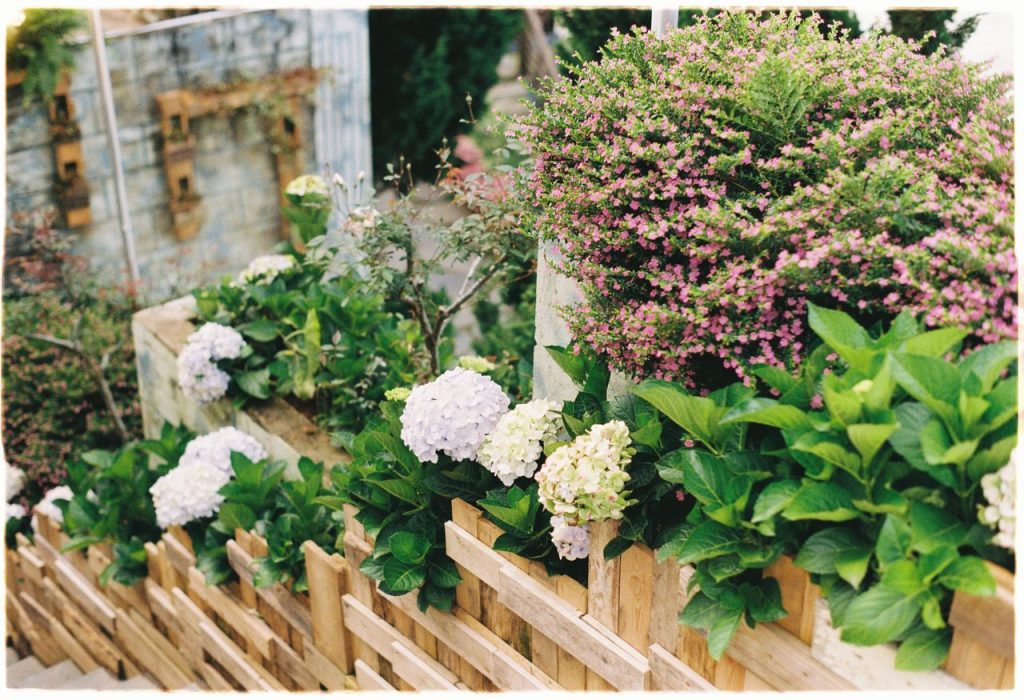
A garden is often designed from the outside in. We think about where the patio should go, which borders need planting and where the lawn will sit. But there is another way to approach the design: consider the garden from inside the house.
For much of the year, particularly in Britain, we experience our gardens through windows and doors. The view from the kitchen, sitting room or bedroom can therefore be just as important as the experience of walking outside.
A well-designed garden should look considered from both sides of the glass.
Start With the Views You Actually Have
Before choosing plants, take a look at the garden from the rooms you use most.
Stand at the kitchen sink. Sit on the sofa. Look out from the dining table. What do you see?
Perhaps there is an unattractive shed directly in your eyeline. Maybe the garden looks flat and empty from the sitting room, or perhaps an existing tree provides a beautiful focal point that could be enhanced with surrounding planting.
These viewpoints can help determine where structure and interest are needed.
Create a Focal Point Outside the Window
A garden does not need to be spectacularly large to create a strong visual connection with the interior.
A carefully positioned tree, specimen shrub, sculpture, raised planter or architectural feature can provide a focal point. The important thing is its relationship with the room behind it.
For example, a tree positioned where it can be seen from a dining table can become part of the dining experience. A planting bed beneath a bedroom window can provide colour and texture throughout the seasons.
The garden effectively becomes another layer of the room.
Think About the View in Winter
One of the biggest mistakes in garden design is concentrating entirely on summer.
Deciduous plants lose their leaves, flowers disappear and herbaceous borders die back, leaving the underlying structure exposed. That structure therefore needs to be attractive in its own right.
Evergreen planting, ornamental grasses, trees with interesting bark and shrubs with winter stems can all contribute to a garden that remains visually engaging during colder months.
This is particularly important when the garden is being viewed from indoors, because winter is precisely when you are likely to spend more time looking through the windows rather than sitting outside.
Use Planting to Frame Architecture
Planting can also influence how the architecture of a house is perceived.
Tall, narrow planting can soften the edge of a building without hiding it completely. Repeated planting can create rhythm along a patio or pathway, while lower borders can provide a transition between hard landscaping and the house.
The aim is not necessarily to create a garden that looks separate from the property. The most successful schemes often feel as though the house and garden were designed together.
Materials can help achieve this too. Repeating a colour or texture from the interior outdoors can create a subtle visual connection.
Don’t Forget Outdoor Lighting
A garden designed primarily for daytime use can disappear after dark. Yet outdoor lighting can completely change what you see through the windows in the evening.
Rather than flooding the whole garden with bright illumination, consider a more restrained approach.
Lighting a tree, highlighting a textured wall or gently illuminating a pathway can create depth and draw attention to particular features. Reflections from glass can make subtle lighting particularly effective, although fixtures should be positioned carefully to avoid creating glare inside the room.
The result can make the garden feel like part of the evening interior rather than an entirely separate space.
Consider the Seasons as Part of the Interior
One of the pleasures of connecting interior and garden design is watching the view change throughout the year.
Spring blossom can provide a dramatic focal point from a kitchen window. Summer planting can create a lush backdrop to a dining area, while autumn foliage introduces warm colour later in the year. Winter structure can then take over.
This seasonal rhythm can be more interesting than attempting to create a garden that looks exactly the same throughout the year.
Design the Garden You Will Actually Look At
A garden should, of course, be enjoyable when you are outside in it. But if you spend much of your time indoors, the views from the house deserve equal consideration.
Thinking about sightlines, focal points, seasonal planting, materials and lighting allows the garden to become part of the wider interior scheme.
Instead of treating the windows as the boundary between house and garden, think of them as frames. What they reveal can become an important part of the character, atmosphere and experience of the home.